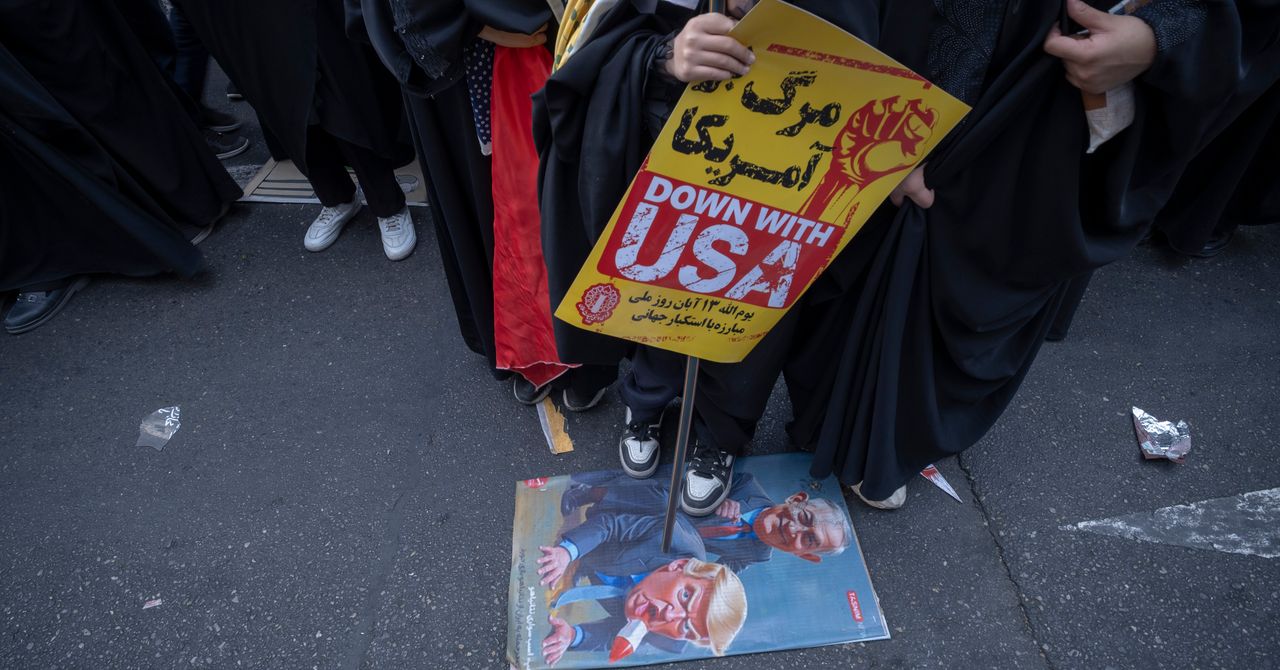
The Strategic Calculus Behind Trump's Iran Offensive
The decision to launch an all-out air assault on the Islamic Republic marks a dramatic shift in U.S. Middle East policy, representing what military analysts describe as the biggest gamble of Trump's political career. The operation comes amid escalating tensions over Iran's nuclear program and regional proxy activities, with the administration citing intelligence about imminent threats to American personnel and interests. This military action appears designed to fundamentally reset the balance of power in the region while sending a clear message about U.S. resolve.
The timing and scale of the operation suggest careful strategic planning, though questions remain about whether diplomatic channels were fully exhausted before military force was employed. Defense officials have characterized the strikes as precision-targeted operations aimed at degrading Iran's military capabilities while minimizing civilian casualties. However, the broader implications for regional stability and international relations remain deeply uncertain.
Five Critical Unknowns Shaping the Conflict's Trajectory
The first major uncertainty involves Iran's potential response and escalation options. While Iranian leadership has vowed retaliation, the specific form and timing of any counterattacks remain unclear, creating a dangerous period of strategic ambiguity. Military experts are particularly concerned about Iran's asymmetric warfare capabilities, including its network of regional proxies and advanced missile systems that could target U.S. bases and allies throughout the Middle East.
A second critical unknown is the impact on global oil markets and economic stability. The Strait of Hormuz, through which approximately 20% of the world's oil flows, could become a flashpoint for disruption. Energy analysts warn that sustained conflict could drive oil prices to levels that trigger global recession, while also affecting allied nations' willingness to maintain support for U.S. operations.
The third uncertainty centers on the reaction of other regional powers, particularly Russia and China, who have significant economic and strategic interests in Iran. Their potential involvement, whether through diplomatic support, military assistance, or economic countermeasures, could dramatically expand the scope of the conflict beyond bilateral U.S.-Iran tensions.
Fourth, the domestic political ramifications within both countries remain highly unpredictable. In the United States, public opinion about military intervention in the Middle East has shifted significantly since the Iraq War, and sustained casualties or mission creep could rapidly erode support. Meanwhile, Iranian leadership faces pressure to respond decisively to maintain domestic legitimacy and regional influence.
Finally, the impact on the global non-proliferation regime represents a fifth critical unknown. The collapse of the Iran nuclear deal and subsequent military action may encourage other nations to pursue nuclear capabilities as a deterrent, fundamentally altering the international security architecture that has existed since the Cold War.
Key Topics & Takeaways
Strategic Uncertainty: The operation's ultimate objectives and success metrics remain unclear, raising questions about mission definition and exit strategies. Regional Stability: The conflict threatens to destabilize multiple Middle Eastern nations and could trigger a wider regional war involving multiple state and non-state actors. Economic Impact: Global markets are already showing volatility, with energy prices and supply chains potentially facing severe disruption. International Law: Questions persist about the operation's legality under international law and its implications for future military interventions. Diplomatic Fallout: The assault has severely damaged U.S. diplomatic credibility and may complicate future negotiations with both allies and adversaries.